
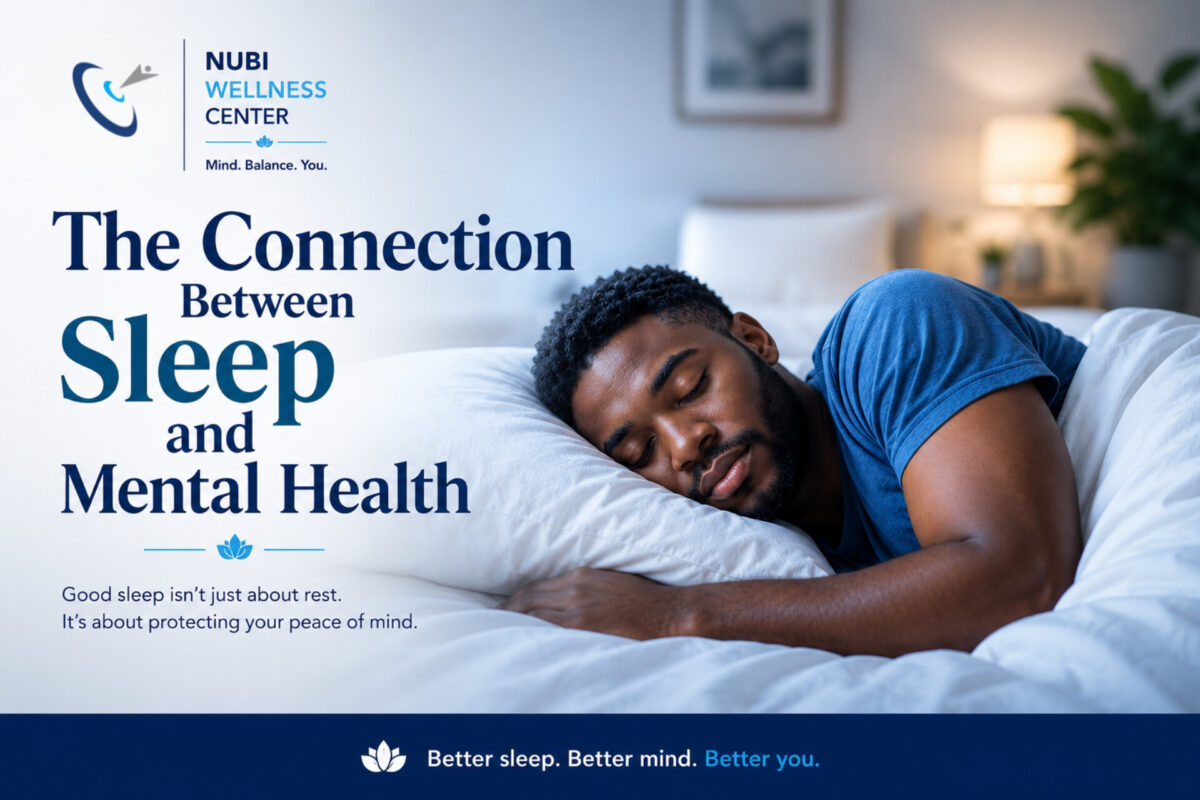
You tell yourself you will sleep when you are done. Done with the deadline, done with the chores, done with the endless WhatsApp messages. But days turn to weeks, and “sleep when you are done” quietly becomes a lifestyle.
What if the exhaustion, the short temper, and the racing thoughts you have been battling are not just “stress”, but your brain asking for the one thing you keep postponing: real, consistent sleep?
Why Sleep Is Not Just Rest for the Body
Many people think of sleep purely as physical recovery, a way to rest tired muscles and recharge for the next day. But sleep is just as much a mental health function as it is a physical one. While you sleep, your brain is busy processing emotions, consolidating memories, and clearing out waste products that build up during waking hours. Without enough quality sleep, this process breaks down, and the effects show up first in your mood and mind before they show up anywhere else.
How Poor Sleep Affects Your Mental Health
Sleep and mental health share a two way relationship. Poor sleep does not just leave you tired, it can directly worsen conditions like anxiety, depression, and mood instability.
Some common effects of chronic poor sleep include:
- Increased irritability and difficulty regulating emotions
- Higher levels of anxiety and intrusive, racing thoughts
- Reduced concentration and poor decision making
- Greater vulnerability to depressive symptoms over time
- Weakened ability to cope with everyday stress
On the other hand, untreated anxiety and depression can also disrupt sleep, creating a cycle that becomes harder to break the longer it continues. This is why mental health professionals often ask about sleep patterns as one of the first questions during an assessment. It tells us a lot about what is really going on beneath the surface.
Why Nigerians Are Especially at Risk of Sleep Deprivation
In many Nigerian homes and workplaces, sleep is treated as optional, something you sacrifice for hustle, for provision, for “making it.” Long commutes, unstable power supply, side hustles that stretch into the night, and a culture that celebrates busyness all combine to push sleep further down the priority list. Add in the noise, heat, and general demands of city living, and quality sleep becomes even harder to come by.
The result is a population that is chronically under rested, often without realising just how much that lack of sleep is affecting their mental wellbeing.
Signs Your Sleep May Be Affecting Your Mental Health
- You wake up tired even after several hours in bed
- You feel more anxious, tearful, or short tempered than usual
- Your thoughts feel foggy or difficult to organise during the day
- You rely heavily on caffeine just to function normally
- You struggle to fall asleep because your mind will not switch off
If several of these sound familiar, your sleep may be one of the first places worth paying attention to.
Practical Ways to Improve Your Sleep and Protect Your Mental Health
- Set a consistent bedtime and wake time, even on weekends
- Reduce screen time at least 30 minutes before bed
- Create a wind down routine, such as light stretching, prayer, or quiet reflection
- Limit caffeine intake in the afternoon and evening
- Keep your sleeping space cool, dark, and as quiet as possible
- If racing thoughts keep you up, try writing them down before bed to clear your mind
Small, consistent changes often make a bigger difference than one dramatic overhaul. Start with one habit this week and build from there.
When to Seek Professional Support
If poor sleep has become a long standing pattern, or if it is paired with persistent low mood, anxiety, or difficulty functioning day to day, it may be time to speak with a mental health professional. Sleep struggles are often treatable, and addressing them early can prevent deeper mental health challenges from developing.
At Nubi Wellness Center, we understand that sleep and mental health cannot be separated. Our team works with individuals to identify what is really disrupting their rest and to build a path back to both better sleep and better emotional wellbeing.
Your Rest Matters
Sleep is not a reward you earn after everything else is done. It is a foundation your mind and body need to function well in the first place. Protecting your sleep is protecting your mental health, and that is never something to feel guilty about.
If you have been struggling with sleep, mood, or overall mental wellbeing, reach out to us via our contact box below.
Every story matters, and every healing journey counts.

This is an outstanding and eye-opening blog! 🌙💙 I truly appreciate how you explained the powerful connection between sleep and mental health in such a simple and relatable way. The practical tips and real-life insights make this article valuable for everyone, reminding us that quality sleep is essential for emotional well-being, focus, and overall health. Thank you for sharing such meaningful and educational content that can help so many people improve their lives. Keep up the fantastic work, and please continue publishing more informative and inspiring blogs like this. Looking forward to reading your next post! 👏😊
Blood test Hyderabad
Thank you so much for your thoughtful feedback! 💙 We’re glad you found the insights helpful and relatable. Here’s to better sleep, better mental health, and better lives. More meaningful content is definitely on the way! 😊