
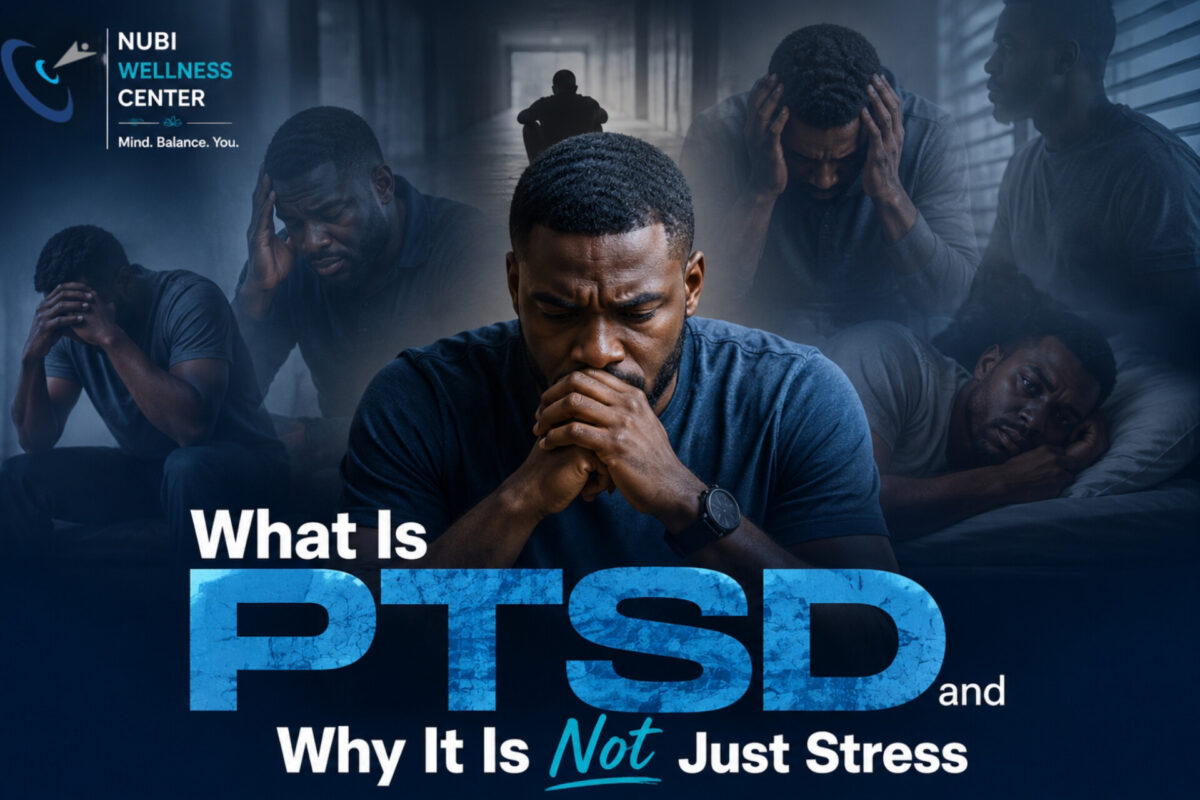
Every human being experiences stress. It is a natural response to the demands and pressures of daily life. But what happens when the mind and body are exposed to something far beyond ordinary stress? What happens when an experience is so overwhelming, so traumatic, that the nervous system cannot simply process it and move on?
That is where Post Traumatic Stress Disorder, commonly known as PTSD, begins.
In Nigeria and across many African communities, PTSD remains widely misunderstood, undiagnosed, and frequently dismissed as ordinary stress, spiritual attack, or emotional weakness. But PTSD is none of those things. It is a clinically recognized mental health condition with specific symptoms, clear diagnostic criteria, and evidence-based treatment options that work.
This June, as we observe PTSD Awareness Month, Nubi Wellness Center is committed to providing clear, accurate, and accessible information about what PTSD really is, how it differs from stress, and why getting the right support matters.
What Is PTSD?
Post-Traumatic Stress Disorder (PTSD) is a mental health condition that develops in some people after they experience or witness a traumatic event. The word traumatic here does not simply mean difficult or upsetting. It refers to events that involve actual or threatened death, serious injury, or sexual violence, or that cause overwhelming psychological shock.
PTSD was formally recognised as a distinct psychiatric diagnosis in 1980, and it is now classified in the Diagnostic and Statistical Manual of Mental Disorders (DSM-5) as a trauma and stressor-related disorder. It affects an estimated 20% of people who experience traumatic events, though many cases go undiagnosed, particularly in communities where mental health stigma is high.
It is important to understand that PTSD is not a sign of weakness. It is not a personal failure. It is a neurological and psychological response to experiences that genuinely overwhelmed the brain and body’s capacity to cope.
What Causes PTSD?
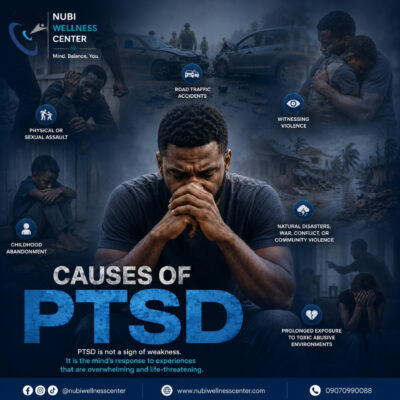
PTSD can develop following a wide range of traumatic experiences. These include but are not limited to:
- Physical or sexual assault
- Road traffic accidents or other life-threatening incidents
- Witnessing violence, death, or serious injury
- Childhood abuse, neglect, or abandonment
- Natural disasters, fires, or floods
- War, conflict, or community violence
- Sudden loss of a loved one under traumatic circumstances
- Medical trauma, including difficult childbirth experiences or life-threatening illness
- Prolonged exposure to toxic or abusive environments
It is also worth noting that PTSD does not require direct personal experience of trauma. Secondary trauma, also known as vicarious trauma, can develop in people who are repeatedly exposed to the traumatic experiences of others. This includes first responders, healthcare workers, journalists, and mental health professionals.
PTSD vs Stress: Understanding the Critical Difference
One of the most common misconceptions about PTSD is that it is simply an extreme form of stress. This is a fundamental misunderstanding that prevents many people from seeking the help they need.
Here is how stress and PTSD differ:
Stress
- Is typically tied to a current or ongoing situation
- Eases or resolves when the stressor is removed
- Does not fundamentally alter brain function
- Can usually be managed with rest, lifestyle changes, or moderate support
- Is a normal and expected part of human experience
PTSD
- Is triggered by a specific past traumatic event
- Persists long after the traumatic event has ended, often for months or years
- Involves measurable changes in brain structure and function, particularly in the amygdala and prefrontal cortex
- Significantly disrupts daily functioning, relationships, and quality of life
- Does not resolve on its own without proper treatment in most cases
- Is classified as a diagnosable mental health disorder requiring clinical intervention
In simple terms: stress is a response to what is happening now. PTSD is the mind and body’s inability to escape what happened then.
Recognising the Symptoms of PTSD
PTSD presents across four primary symptom clusters as defined by the DSM-5:
1. Intrusion Symptoms
- Recurring, involuntary, and distressing memories of the traumatic event
- Flashbacks in which the person feels as though the event is happening again
- Distressing dreams or nightmares related to the trauma
- Intense psychological or physiological distress when exposed to reminders of the trauma
2. Avoidance Symptoms
- Deliberate avoidance of thoughts, feelings, or memories associated with the trauma
- Avoiding people, places, activities, situations, or objects that trigger traumatic memories
3. Negative Alterations in Cognition and Mood
- Persistent negative beliefs about oneself or the world
- Distorted feelings of blame directed at self or others
- Persistent negative emotional states such as fear, horror, guilt, or shame
- Diminished interest in activities that were previously meaningful
- Feelings of emotional detachment or estrangement from others
- Inability to experience positive emotions
4. Alterations in Arousal and Reactivity
- Hypervigilance and being constantly on edge or alert
- Exaggerated startle response
- Sleep disturbances including insomnia
- Irritability or aggressive outbursts
- Difficulty concentrating
- Reckless or self-destructive behaviour
For a clinical diagnosis of PTSD, these symptoms must persist for more than one month and must cause significant distress or impairment in social, occupational, or other important areas of functioning.
How PTSD Presents Differently in Men
During Men’s Mental Health Awareness Month, it is particularly important to address how PTSD manifests in men, and why it so frequently goes unrecognised.
Research consistently shows that men are less likely than women to be diagnosed with PTSD, not because they experience trauma less frequently, but because their symptoms often present differently.
In men, PTSD frequently manifests as:
- Anger, irritability, and aggressive behaviour rather than visible sadness or fear
- Substance use, including alcohol and drug misuse, as a way of numbing trauma responses
- Emotional withdrawal and social isolation
- Reckless behaviour and risk-taking
- Overworking as a means of avoiding intrusive thoughts and feelings
- Physical complaints such as chronic pain, headaches, or gastrointestinal issues with no clear medical cause
Because these presentations do not match the commonly depicted image of someone visibly distressed or tearful, PTSD in men is frequently labelled as a personality problem, a discipline issue, or simply dismissed as “how he is.” This misidentification has significant and often devastating consequences.
The Impact of Untreated PTSD
When PTSD goes undiagnosed and untreated, its effects extend far beyond the individual. Untreated PTSD is associated with:
- Significantly increased risk of depression and anxiety disorders
- Higher rates of substance use disorders
- Relationship breakdown and family dysfunction
- Reduced occupational functioning and productivity
- Increased risk of suicidal ideation and behaviour
- Physical health complications including cardiovascular disease and immune dysfunction
The cost of not addressing PTSD is enormous, both to the individual and to the communities and families around them. Early intervention consistently produces better outcomes.
PTSD Is Treatable
One of the most important things to understand about PTSD is that it is a treatable condition. People living with PTSD can and do recover with appropriate professional support. Evidence-based treatment approaches include:
- Trauma-Focused Cognitive Behavioural Therapy (TF-CBT): A structured therapeutic approach that helps individuals process traumatic memories and develop healthier thought patterns
- Eye Movement Desensitisation and Reprocessing (EMDR): A specialized therapy that helps the brain reprocess traumatic memories
- Prolonged Exposure Therapy: A technique that gradually helps individuals confront trauma-related memories and situations in a safe, controlled environment
- Medication: Certain antidepressants, particularly SSRIs, have been shown to reduce PTSD symptoms and are often used alongside therapy
- Psychiatric Rehabilitation: A holistic approach that addresses the broader impact of PTSD on daily functioning, relationships, and quality of life
Recovery from PTSD is not always linear, and it looks different for every individual. But with the right professional support, sustained improvement is entirely possible.
When to Seek Professional Help
If you or someone you know has experienced a traumatic event and is displaying any of the following, professional evaluation is strongly recommended:
- Symptoms that have persisted for more than one month following a traumatic experience
- Significant difficulties functioning at work, in relationships, or in daily activities
- Use of alcohol or substances to manage distressing thoughts or emotions
- Persistent feelings of hopelessness, shame, or emotional numbness
- Recurring nightmares or intrusive memories
- Thoughts of self-harm or suicide
Seeking help is not a sign of weakness. It is an act of courage and self-awareness that can change the trajectory of a person’s life.
Conclusion
PTSD is not just stress. It is not weakness. It is not something a person can simply shake off, pray away, or outwork. It is a recognized clinical condition rooted in real neurological and psychological processes, and it deserves real professional attention.
This June, as we observe PTSD Awareness Month and Men’s Mental Health Awareness Month, we want every person reading this to know: healing is possible. Support is available. And you do not have to carry this alone.
If you or someone you love is struggling with the effects of trauma, Nubi Wellness Center is here to provide professional, confidential, and compassionate mental health and psychiatric rehabilitation support.
Take the First Step Toward Healing
📍 Visit us: Nubi Wellness Center
📞 Call us: +2349070990088 / +2347054109566

You Do Not Have to Carry It Alone
If this post resonated with you, our team at Nubi Wellness Center is here to walk with you through your healing journey. Reach out today, in confidence and without judgment.
Chat With Us on WhatsApp Visit Our Website09070990088 / 07054109566 • Every Story Matters. Every Healing Journey Counts.